
Integrated Marketing Communications (IMC): Elevating Marketing Performance in the Digital Era
2025-12-05
In a marketplace defined by fierce competition and constantly shifting consumer behavior across a growing number of digital channels, fragmented campaigns are no longer enough to create meaningful impact. Today, a brand’s ability to deliver consistent, compelling messaging across every customer touchpoint has become a decisive factor in marketing performance.
This is where Integrated Marketing Communications (IMC) stands out — not merely as a combination of advertising, PR, or promotions, but as a holistic strategic philosophy. IMC ensures that every brand interaction, online or offline, reinforces one coherent experience, strengthens recognition, builds trust, and ultimately drives conversion.
At a time when customer journeys have become non-linear and complex, maintaining a unified brand voice is both a challenge and an opportunity. This article explores the essence of IMC, its strategic advantages, an actionable implementation process, and how businesses can leverage IMC to amplify marketing ROI in an increasingly globalized environment.
I. What Is Integrated Marketing Communications (IMC)? Definitions & Core Principles
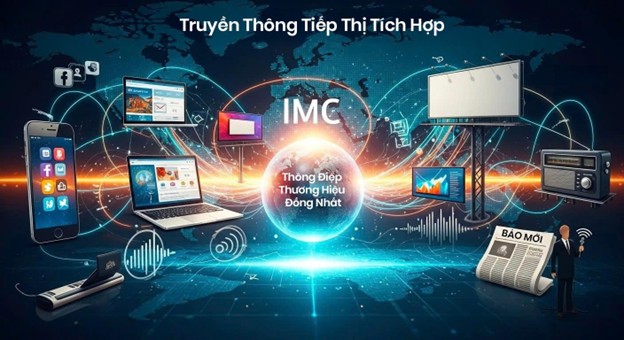
Integrated Marketing Communications (IMC) is a strategic approach that coordinates and unifies all communication channels and media touchpoints within a company to deliver a clear, consistent, and compelling message about the brand, its products, or its services.
The central objective of IMC is to ensure that every marketing activity speaks in the same voice, reflects the brand’s identity and value proposition, and strengthens trust at every stage of the customer journey.
When executed effectively, IMC enables all marketing efforts to work together harmoniously rather than in isolation—ensuring that customers encounter a seamless brand experience at every touchpoint. This cohesion nurtures deeper engagement, reinforces commitment, and enhances overall brand credibility.
Core principles of an effective IMC strategy include:
- Customer-centricity: Focus on the customer journey and understand audiences through their needs, motivations, and behaviors.
- Consistency: Ensure that every message across every channel remains aligned and coherent.
- Synergy: Create a combined impact that is greater than the sum of individual communication efforts.
- Two-way communication: Encourage dialogue and foster meaningful interaction with audiences.
- Strategic integration: Align all communication initiatives tightly with broader business and marketing objectives.
At its core, IMC creates a unified brand experience—ensuring that regardless of where customers encounter the brand, they receive the same values, tone, and promises. This consistency not only strengthens customer trust but also elevates the brand’s long-term positioning.
II. How Is IMC Different from Traditional Advertising?
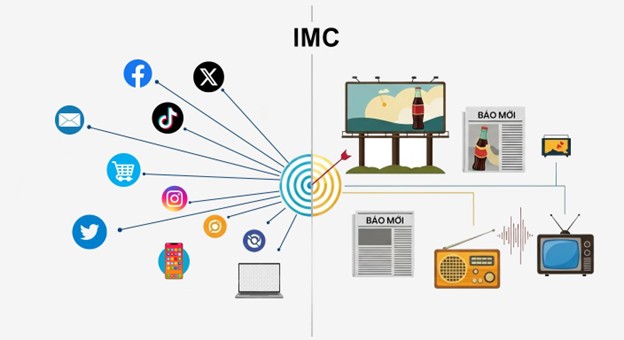
Understanding the distinction between Integrated Marketing Communication (IMC) and traditional advertising is essential for businesses aiming to make informed decisions about their marketing investments. While both are strategic marketing approaches, their methods of communication, reach, and impact differ significantly.
IMC focuses on creating a unified, consistent brand message across multiple platforms, ensuring that every touchpoint delivers the same core story. In contrast, traditional advertising often relies on single-channel communication—typically mass media—with limited opportunities for interaction or personalization.
Comparison Between IMC and Traditional Advertising:
| Criteria | Integrated Marketing Communication (IMC) | Traditional Advertising |
|---|---|---|
| Focus | Delivers a unified brand message across multiple integrated channels. | Emphasizes a message on a single media channel. |
| Consistency | Ensures all messages across platforms remain coherent and aligned. | Messages may differ across platforms, risking inconsistency. |
| Audience Interaction | Encourages two-way engagement, dialogue, and deeper audience connection. | Primarily one-way communication with limited interaction. |
| Flexibility | Highly adaptable based on real-time data and customer feedback. | Less flexible; typically follows predetermined media plans. |
| Channels Used | Combines digital platforms, traditional media, and emerging channels. | Relies heavily on traditional mass media (TV, print, radio). |
| Measurement & Analytics | Continuous tracking, analysis, and optimization using comprehensive metrics. | Limited post-campaign analysis; real-time insights are rare. |
| Budget Allocation | Diversified across multiple strategies and channels to optimize ROI. | Often concentrated in specific high-cost media placements. |
| Brand Perception | Builds a cohesive, credible, and holistic brand narrative. | Higher risk of fragmented brand perception due to disjointed messaging. |
| Customer Relationship | Focuses on long-term relationship building, loyalty, and advocacy. | Prioritizes short-term sales uplift and broad awareness. |
| Integration with Tools | Seamlessly integrates with marketing tools and data-driven strategies. | Operates more independently, with limited integration across tools. |
IIi. The Key Advantages of Implementing an IMC Strategy
1. Building Trust & Strengthening Brand Recognition
When your brand consistently meets expectations and delivers a unified message across every touchpoint—website, social media, email, or in-store—trust is formed. Customers highly value consistency, and an integrated marketing communication approach ensures they clearly understand your brand’s promise every time they engage. This clarity reinforces brand recognition and, over time, strengthens loyalty.
2. Optimizing Cost Efficiency and ROI
While a standout advertising campaign may create an early burst of attention, true impact only happens when the entire strategy is aligned across all channels. By leveraging the combined strength of IMC, every marketing effort works in harmony. This not only amplifies the message but also ensures that resources—time, budget, and talent—are used efficiently. Ultimately, a well-integrated strategy unlocks greater marketing potential and improves overall ROI.
3. Enhancing Customer Engagement and Loyalty
A cohesive brand voice fosters recognition and emotional connection, making it easier for customers to identify with and remain loyal to your brand. When audiences encounter consistent core values and messaging across multiple platforms, their connection deepens. IMC plays a pivotal role in turning one-time buyers into long-term advocates, strengthening competitive advantage and increasing brand relevance.
When executed effectively, IMC also elevates brand perception—positioning the business as credible, professional, and well-organized. This strengthened perception becomes a powerful differentiator in saturated markets, giving brands a competitive edge. Additionally, IMC frameworks often integrate feedback loops and data analytics, enabling businesses to adjust messaging and strategies quickly in response to shifting market conditions or evolving customer preferences.
IV. Core Components of IMC: Building a Comprehensive Communication Toolkit
An effective IMC strategy weaves together multiple communication principles to deliver a unified, impactful brand message. These core components—often referred to as the IMC Marketing Mix—serve as the foundational tools that help brands shape consistency and influence at every touchpoint.V. Implementing an Effective IMC Strategy: From Planning to Optimization
To fully unlock the potential of an integrated communication approach, brands need a clearly structured roadmap. The Integrated Marketing Communication (IMC) process typically includes several key stages:
Advertising & Promotion
This is the primary avenue through which brands project their voice across various media channels—print, television, radio, out-of-home, and increasingly, digital platforms such as display advertising, search engine marketing, and social media ads. Within an integrated marketing communication framework, advertising establishes the foundation for brand visibility, while promotional activities act as catalysts that stimulate interest and audience engagement.
Personal Selling
The human element in marketing remains invaluable. Personal selling involves direct, often one-on-one interaction between a company representative and a potential customer. This approach allows for tailored messaging, immediate feedback, and the ability to address specific needs or objections. As a result, it nurtures deeper relationships and strengthens long-term brand loyalty.
Public Relations (PR)
More than simply managing brand image, strategic PR builds and sustains a positive narrative. By fostering mutually beneficial relationships with stakeholders, media outlets, influencers, and communities, PR shapes public perception. Tools such as press releases, media kits, events, sponsorships, and community engagement initiatives all work together to build trust and credibility.
Direct Marketing
Direct marketing focuses on communicating with well-defined target segments or individual consumers. Within IMC, this includes email marketing, direct mail, telemarketing, and highly targeted digital advertising (such as personalized social media campaigns). This approach allows for a high level of message personalization, precise measurement, and valuable data collection on customer preferences and behaviors. Notably, with 73% of consumers preferring to be contacted by brands through direct mail, email marketing remains one of the most effective channels for acquisition and retention.
Sales Promotion
Designed to drive immediate action, sales promotions include incentives such as discounts, coupons, contests, free samples, loyalty programs, and limited-time offers. Though typically short-term, these tactics can significantly boost sales, encourage trial, and deliver rapid market feedback. Within IMC, sales promotions play a critical role in accelerating customer response and stimulating demand.
When harmoniously integrated—and supported by complementary disciplines like content marketing and social media marketing—these five components form the backbone of a strong IMC strategy. This synergy ensures that brand messages remain consistent, compelling, and deeply resonant across every audience segment.
V. Implementing an Effective IMC Strategy: From Planning to Optimization

To fully unlock the potential of an integrated communication approach, brands need a clearly structured roadmap. The Integrated Marketing Communication (IMC) process typically includes several key stages:
Audience Analysis & Insight Development
Begin with a deep understanding of your target audience—demographics, psychographics, media consumption habits, pain points, and decision-making journeys. Develop detailed customer personas to guide messaging and channel planning.
Setting Clear IMC Objectives (SMART Goals)
Identify what your IMC campaign aims to achieve. Objectives may include increasing brand awareness, generating leads, driving sales, improving customer loyalty, or shifting brand perception. Ensure that all goals follow the SMART criteria: Specific, Measurable, Achievable, Relevant, and Time-Bound.
Evaluating Existing Communication Strategies & Channels
Conduct a comprehensive audit of current marketing campaigns, tactics, and communication channels. Review performance metrics such as conversion rates, engagement levels, and brand recall to identify what is working—and what is not. Highlight inconsistencies in messaging or brand identity across platforms.
Crafting a Unified Message & Creative Platform
Develop a central theme or “big idea” that will be carried across all channels. This core message must be compelling, relevant to the target audience, and reflective of the brand’s unique value. Clearly define the tone of voice and desired visual identity.
Effective IMC Budget Allocation
Determine the total IMC budget and allocate resources across communication channels and activities based on campaign objectives, audience behavior, and projected ROI.
Selecting & Integrating IMC Channels
Choose the right mix of channels—advertising, PR, direct marketing, sales promotion, personal selling, content marketing, social media, and more—to effectively reach your audience. Plan how these channels will interconnect to deliver a seamless, end-to-end brand experience.
Cross-Department Collaboration
IMC is not solely a marketing function; it requires close collaboration across departments such as marketing, sales, customer service, and product development. Conduct workshops and regular alignment meetings to ensure every team understands the core message, objectives, and expected outcomes.
Leveraging Technology & Data
Use advanced tools and platforms to manage integrated communication efficiently. Identify technologies such as Customer Relationship Management (CRM) systems, marketing automation platforms, social media management tools, and analytics dashboards (e.g., Improvado for centralized data aggregation and analysis) to support coordination and insight generation.
IMC Campaign Execution & Monitoring
Implement the integrated campaign according to plan. Maintain consistent messaging and visual identity across all selected channels, while closely monitoring campaign progress and performance.
Measurement, Analysis & Optimization
Continuously track key performance indicators (KPIs) tied to your IMC objectives. Use marketing analytics platforms to gather data across channels, evaluate campaign effectiveness, and identify areas for improvement. Be prepared to refine strategies based on performance insights and customer feedback.
VI. Limitations of IMC in Communication & How to Overcome Them
While IMC delivers substantial value, its implementation also presents challenges that organizations must recognize and manage effectively.
Information Overload for Consumers
The volume of advertising messages across digital and traditional channels can overwhelm consumers and hinder decision-making. According to Accenture, 75% of consumers have avoided making a purchase within three months due to feeling overloaded by excessive advertising content.
Solution: Measure and refine message frequency, prioritizing relevance and quality over quantity to avoid counterproductive campaign outcomes.
Cross-Department Misalignment
Successful IMC requires tight coordination among multiple departments, making disagreements inevitable.
Solution: Encourage open discussions across teams to address concerns and resolve conflict. Establish clear cross-functional workflows and designate a coordinator to maintain alignment.
Limited Creative Exploration
Because IMC emphasizes consistency and audience alignment, organizations may unintentionally overlook bold or unconventional creative ideas.
Solution: Facilitate open-ended brainstorming sessions free from initial constraints, then refine and align chosen ideas with the IMC core message. Allocate a small portion of the budget for experimentation and learning.
Difficulty Measuring Accurate ROI
IMC ROI can be difficult to measure due to the need to track multiple variables across numerous channels.
Solution: Use integrated marketing analytics platforms (such as Improvado) to unify multi-channel data, apply multi-touch attribution models, and monitor intermediary metrics such as brand awareness and engagement—not just direct revenue.
The Enduring Power of a Unified Brand Voice
In an era of information overload and fragmented consumer attention, Integrated Marketing Communication (IMC) stands not only as a strategy but as a foundational business philosophy. By thoughtfully synchronizing advertising, public relations, direct marketing, sales promotions, personal selling, and digital marketing efforts, IMC fosters stronger, more meaningful customer relationships.
The journey toward a fully integrated marketing approach requires commitment, collaboration, and customer-centric thinking. Yet the rewards—stronger brand loyalty, increased sales and revenue, competitive differentiation, enhanced agility in dynamic markets, and the ability to reach target audiences effectively across channels—make IMC indispensable for any forward-thinking organization.
A well-executed IMC strategy ensures your brand speaks with a clear, consistent, and compelling voice—cutting through noise, shaping perception, and building long-lasting connections.
To elevate your marketing strategy and overcome technical challenges, let Reputyze Asia—where Engineering meets Creativity—partner with your organization. We deliver integrated, impactful solutions designed to help your brand stand out in the digital age.
Related Journals