
The Role of Creative Design in Business Growth
Date: 2025-12-05

In today’s highly competitive business landscape, creative design is no longer a “nice-to-have” option but has become a critical strategic factor that determines the success or failure of an enterprise. With our experience working at an agency specializing in Digital Marketing & Technical Solutions, we observe that leading businesses, both in Vietnam and globally, value design as a high-return investment, rather than merely an expense.
This article provides an in-depth view of the true value of creative design, substantiated by reliable data and analysis from McKinsey’s research.
What is Creative Design? More than just an appealing look.
Creative design in business is not about simply painting or decorating a product or service. Its essence lies in the application of design thinking and visual aesthetics to solve business problems, convey messages, and drive growth. Design is the visual language through which an enterprise communicates with its customers. It encompasses various fields, from graphic design and web design to brand strategy. The ultimate goal is to create compelling content that resonates with the target audience and encourages them to take desired actions.
Why is Creative Design a Driver of Business Growth?
In an era where customers are inundated with thousands of pieces of information daily, design is not merely a visually pleasing “decoration” for a brand; it is a strategic tool capable of directly impacting revenue and the long-term development of the business.
Whether it is a website, a logo, a mobile application, or marketing collateral, design is the first touchpoint and can be the decisive factor that makes a customer continue exploring or leave immediately.
Below are 5 core reasons why design is an inseparable component of any business’s overall marketing strategy.
1. Create a Powerful First Impression
It’s often said, “You don’t get a second chance to make a first impression,” and in the business environment, this is even more true.
A sophisticated website design, a unique logo, or a professional brand identity system will instantly help a business stand out in a highly competitive market.
In an age where customers spend only a few seconds evaluating a brand, design is the visual business card that allows an enterprise to capture attention immediately.
2. Build a Sustainable Brand Identity
A strong brand is not built overnight; it is the result of consistency in color, typography, imagery, and design style.
When customers see a specific color or symbol and immediately associate it with the business, it signifies that the design has fulfilled its mission.
This consistency not only creates a strong brand recognition but also plants long-term trust in the customer’s mind, transforming them from one-time buyers into loyal patrons.
3. Improve User Experience, Retain Customers
Design is not just about aesthetics—it directly relates to functionality and usability.
A scientifically designed, easy-to-navigate website will encourage users to stay longer, explore more, and reduce the bounce rate.
Conversely, a complicated, counter-intuitive experience can cause customers to leave after only a few seconds.
Investing in User Experience (UX) is investing in retention capability and increasing customer lifetime value (CLV).
4. Convey Complex Messages Simply
In an increasingly dense information landscape, the ability to simplify is a strength.
Good design can transform complex data into easy-to-digest images, charts, or infographics, helping customers quickly grasp the core value the business wants to convey.
This not only saves the viewer’s time but also helps the message stick longer in their memory.
5. Increase Conversion Rates and Revenue
A cleverly placed Call to Action button, a visually optimized Landing Page, or a smooth checkout experience… all can lead to a significant change in conversion rates.
Design is not just about “beautifying” the product; it is the science of guiding user behavior, helping them move closer to the desired action of purchasing or signing up for a service.
Evidence from the McKinsey Design Index (MDI)
McKinsey & Company conducted in-depth research on 300 publicly listed companies over five years to measure the impact of design on business performance.
The results showed that companies in the top 25% of the MDI score achieved 32 percentage points higher revenue growth and 56 percentage points higher Total Shareholder Return (TRS) compared to industry competitors.
This proves that the market and investors truly reward businesses that treat design as a strategic competitive advantage.
4 Pillars of Design Excellence according to McKinsey
1. Analytical Leadership
Successful enterprises view design as a top-level management issue, not just a task for the creative department.
They measure design effectiveness using specific data and set clear goals, similar to how they track revenue or costs.
This ensures design is integrated as part of the business strategy, rather than merely an “aesthetic element.”

2. Holistic User Experience
Leading businesses break down barriers between physical, digital, and service design, creating a seamless experience across every touchpoint.
For example, a hotel chain increased customer retention by 3% through a very small yet emotional detail: giving guests a locally themed rubber duck to encourage them to collect others when visiting different branches.
This is a testament that experience design sometimes lies not in technology, but in the subtlety of every detail.

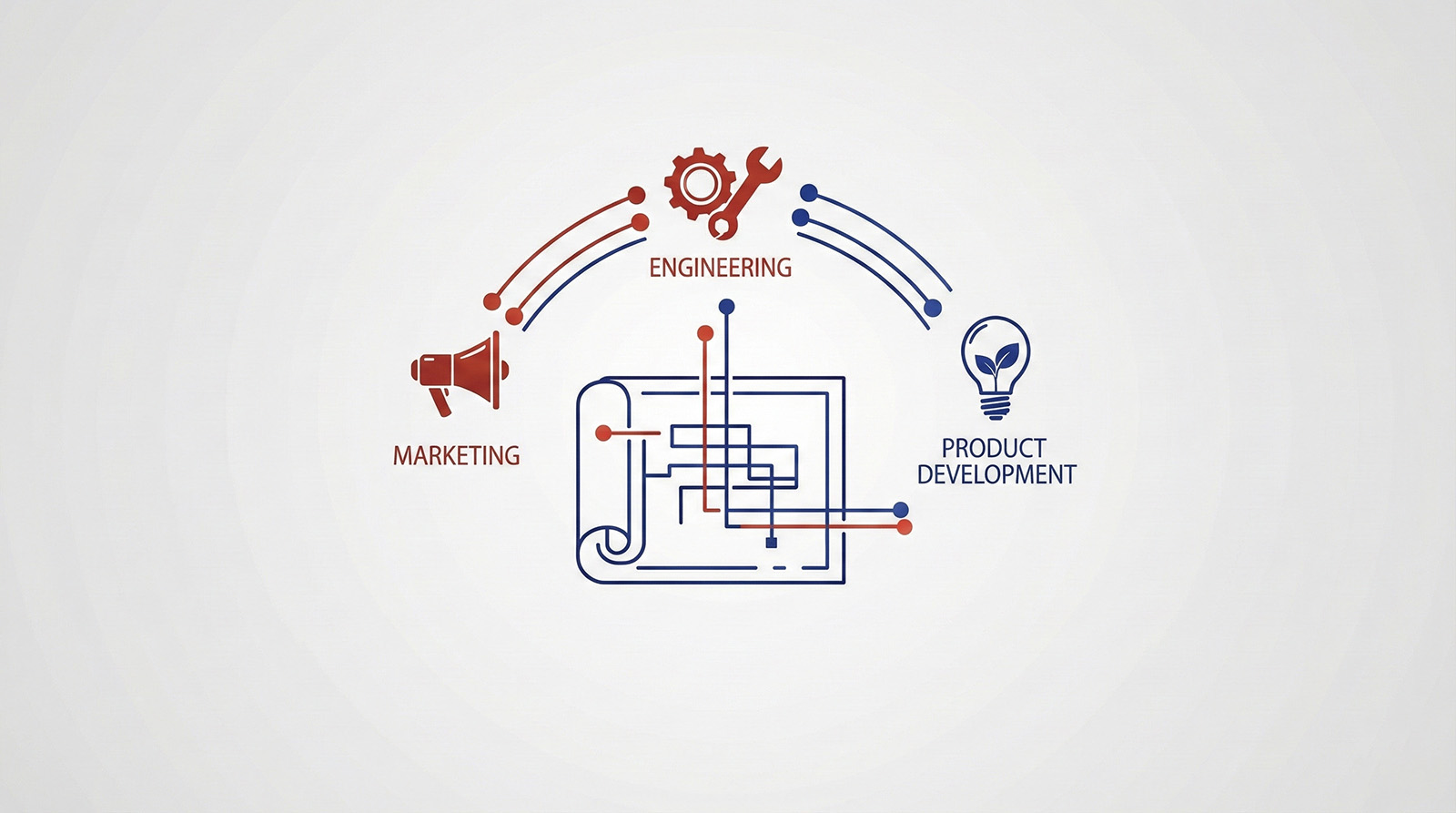
3. Cultivating Cross-functional Talent
Exceptional companies do not let design be “boxed in” within the design department.
They integrate designers into marketing, engineering, and product teams to create comprehensive solutions from a multi-faceted perspective.
In fact, the best integrated Consumer Packaged Goods (CPG) companies achieved a 7% higher annual compound growth rate than the least integrated ones.
4. Continuous Iteration Loop
Leading businesses view design not as a one-time phase, but as a continuous process of testing, learning, and refining.
One online gaming company once increased revenue by 25% simply by making a small improvement to its homepage interface, making it easier for players to find key features.
The lesson here is that small but well-placed improvements, based on deep user understanding, can create huge financial impact.
Final Word: It’s Time to View Design as a Strategic Investment
In today’s volatile business environment, investing in creative design is no longer a decision based on “gut feeling,” but an investment strategy supported by data and successful case studies. The importance of design is clearly demonstrated by the revenue and profit growth figures achieved by top companies.
At Reputyze Asia, we believe design is not just about creating beautiful visuals. We combine Technical and Creative thinking to develop strategic design solutions that help your business solve problems, optimize customer experience, and achieve sustainable growth.
If you are ready to transform design into a powerful driver of growth, contact us today for specialized consultation.
Related Journals