
Selecting the Right KOL: A 10-Step Deep-Dive to Maximise Marketing Impact
Date: 2024-06-25

In today’s fast-moving digital landscape, influencer marketing has become a key strategy for brands looking to reach and convert modern consumers. Yet the success of any campaign relies on far more than the size of a KOL’s follower base. The defining factor is alignment—how well the KOL’s values, voice, and audience fit with the brand. This alignment is what makes content feel genuine, builds trust, and delivers long-term effectiveness.
I. Why Brand–KOL Alignment Matters
A collaboration only becomes truly impactful when the KOL authentically connects with the brand’s identity and genuinely believes in the product. When this synergy exists, the content is more natural, persuasive, and engaging. This leads to several key advantages:
Stronger engagement rates:
Authentic content that reflects both the brand’s message and the KOL’s personality resonates more deeply with audiences, driving higher interaction.
Greater trust among target consumers:
Genuine partnerships create credibility. When audiences feel a KOL truly uses or values a product, they are far more likely to act on their recommendations.
Optimised ROI and better resource efficiency:
When campaigns are built on clear objectives and strong brand–KOL fit, they naturally enhance brand visibility and deliver more consistent results. High-quality, well-aligned content can also be repurposed as UGC ads with minimal editing—saving both time and production cost.
II. 10 Steps to Selecting the Right KOL for Your Brand
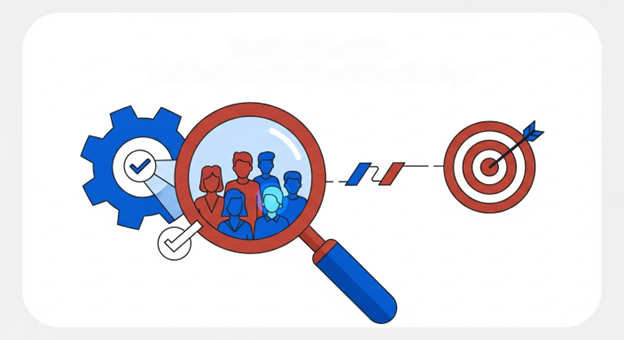
Finding the right KOL requires far more than reviewing follower counts. A thoughtful, structured approach will help you identify the ideal partner—someone who can authentically amplify your brand and strengthen audience trust.
Step 1: Define Clear Campaign Goals
Before you begin searching, clarify what your campaign aims to achieve. Your objectives determine the type of KOL you should work with and how you measure success.
Common goals include:
Brand Awareness: Reaching a wide audience to increase visibility.
Lead Generation: Encouraging sign-ups or product trials.
Sales Growth: Driving direct conversions from the campaign.
User-Generated Content (UGC): Collecting authentic testimonials, reviews, or product experiences.
Real-world example:
Unilever strengthened trust and community engagement by collaborating with home-cleaning KOLs such as Mrs. Hinch. The partnership allowed the brand to communicate in a warm, relatable, and credible way.
Step 2: Analyse and Understand Your Target Audience
One of the most common mistakes in KOL partnerships is audience mismatch. You need a clear picture of your ideal customer—who they are and how they behave—to ensure the KOL’s followers align with your target segment.
Key factors to analyse include demographic attributes, interests and online behaviour, and the pain points your audience is trying to solve.
Step 3: Establish Your Brand Voice and Identity
Before approaching any KOL, make sure your brand voice, tone, and visual identity are clearly defined. This helps the KOL understand how to tell your story while maintaining brand consistency.
Real-world example:
CeraVe consistently builds a simple, science-driven brand presence. Their collaborations with dermatology-related creators like Dr. Shah (@dermdoctor) reinforce this positioning through educational, clinically grounded content.
Step 4: Choose the Right Type of KOL
Follower count does not determine campaign success. Instead, choose the category of KOL that best matches your objectives:
Mega-influencers (1M+ followers): Strong for broad awareness.
Macro-influencers (100K–1M): Well-suited for product launches with wide but engaged reach.
Micro-influencers (10K–100K): Niche-focused with high trust and strong engagement—ideal for conversions.
Nano-influencers (<10K): Highly interactive and cost-efficient for community-driven campaigns.
Expert insight:
Micro- and nano-influencers often deliver better engagement and conversion because their audiences trust them more deeply.
Step 5: Use Multiple Channels to Source Potential KOLs
Finding KOLs isn’t limited to scrolling through social feeds. Expand your search through:
- AI-powered influencer platforms (e.g., Statusphere, Hobo.Video) that match brands and creators using hundreds of data points
- Hashtag research on social networks
- Competitor audits to identify influential voices in your category
- Social listening tools such as Sprout Social or Hootsuite to uncover creators who already mention your brand organically
Step 6: Assess Authenticity and Engagement Quality
Large followings can be misleading. A KOL with weak engagement or inconsistent content quality may drain resources without delivering results.
Evaluate:
- Content professionalism and relevance
- Engagement quality (meaningful comments vs. generic interactions)
- Authenticity in past brand collaborations
- Indicators of bot activity or unusual follower spikes
Step 7: Evaluate Storytelling Ability and Content Consistency
A strong KOL doesn’t just promote a product—they weave it into their real experiences in a way that feels effortless and sincere.
Consider whether the creator posts consistently, adds value through educational or inspirational content, and maintains active conversations with their audience.
Real-world example:
Tinx naturally incorporated Dove products into her personal skincare journey. Her storytelling aligned perfectly with Dove’s “Real Beauty” philosophy, creating a highly resonant and engaging campaign.
Step 8: Establish Clear Collaboration Guidelines and Contracts
Once you’ve chosen a KOL, clarity becomes essential. A comprehensive agreement prevents misunderstandings and ensures both sides deliver smoothly.
Key elements include: deliverables, content guidelines, compensation terms, usage rights, and a clear timeline for creation, approval, and posting.
Real-world example:
Daniel Wellington’s global rise was built on thousands of micro-influencer partnerships—made possible by an extremely clear, replicable set of content and collaboration guidelines.
Step 9: Build Long-Term Partnerships
Moving beyond one-off collaborations leads to deeper authenticity. As relationships strengthen, KOLs become more aligned with your brand and communicate your message with far greater credibility.
Brands can nurture these partnerships through co-creation sessions, event invitations, and featuring KOL content across owned channels.
Real-world example:
Gymshark’s long-term relationship with fitness influencer Nikki Blackketter became a cornerstone of the brand’s community-driven identity, fostering loyalty and advocacy.
Step 10: Measure Performance and Optimise Your Campaign
Once the campaign concludes, it’s essential to evaluate performance through a comprehensive lens.
The key metrics to monitor include:
Engagement Rate: Track likes, comments, shares, and saves to understand how actively the audience interacted with the content.
Traffic: Use UTM links or Google Analytics to identify the volume and quality of traffic driven by the KOL’s content.
Conversions and Sales: Assign affiliate links to measure direct revenue generated from the campaign.
Audience Growth: Observe changes in follower count across your brand’s channels to assess how effectively the campaign expanded your reach.
III. The Key to Successful Influencer Marketing Campaigns

Selecting the right KOL is a strategic process—one that requires thorough research, careful evaluation, and ongoing relationship management. When you find influencers who genuinely resonate with your brand story, you don’t just produce compelling content—you build long-term trust. A solid partnership will always deliver more enduring value than a one-off viral moment.
If you’re looking to optimize your influencer marketing campaigns in Vietnam or expand into global markets such as the U.S., Japan, or South Korea, Reputyze Asia is here to help. We combine technical precision with creative thinking to help brands identify and connect with the most relevant KOLs, ensuring your message reaches the right audience with authenticity and maximum impact.
Related Journals