
Cloud Computing in Business Operations: Trends, Benefits, and Lessons from Real-World Adoption
Date: 2025-12-05
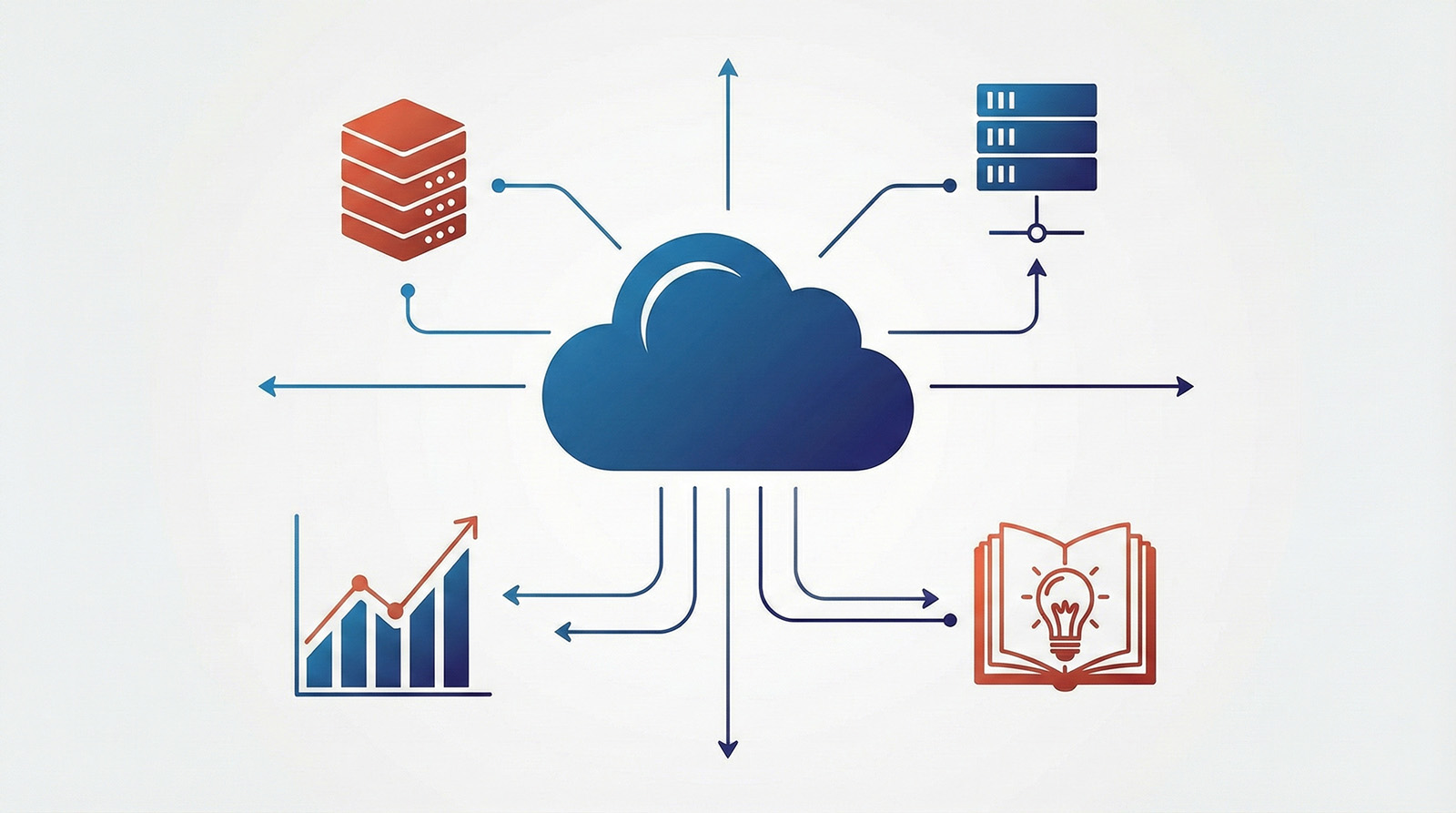
Enterprises today are no longer constrained by heavy, expensive, on-premise IT infrastructure. Cloud computing has become a cornerstone of modern operations, enabling organizations to streamline processes, accelerate deployment, and scale with unprecedented agility. According to Forbes (2023), 94% of global businesses now rely on at least one cloud service in their daily operations. This signals a clear shift: cloud computing is no longer a trend, but a foundational element for maintaining competitiveness in an increasingly volatile market.
Cloud Computing — What It Is and How It Works
Cloud computing is a model that delivers computing resources, storage, and applications over the internet rather than through internal hardware. Companies pay only for what they use, reducing upfront investment and ongoing maintenance costs. Its core principle lies in distributed data management across multiple global servers, ensuring high availability, strong security, and reliable performance. This frees operational teams from hardware upkeep and allows them to focus on driving measurable business outcomes.

Core Benefits of Cloud Computing for Business Operations
Cloud computing introduces a series of structural advantages that directly enhance operational efficiency and business performance.
Cost Optimization and Resource Efficiency
One of the most impactful benefits is the ability to significantly reduce IT operating costs. Companies no longer need costly servers or large technical teams to maintain on-premise systems. Cloud providers such as AWS, Google Cloud, and Bizfly Cloud offer flexible, pay-as-you-go models, making enterprise-class infrastructure accessible even to SMEs. This frees up capital for strategic initiatives rather than hardware expenses.
Faster Deployment and Scalable Infrastructure
Cloud platforms enable the rollout of applications, services, and operational systems in hours—not weeks or months. As demand increases, infrastructure can scale instantly without disrupting business operations. This level of responsiveness is particularly critical for industries like e-commerce, logistics, and manufacturing that experience rapid and unpredictable market fluctuations. Data Science Central highlights real-time scalability as a key driver of year-round performance.
Improved Collaboration and Remote Work Enablement
Following the Covid-19 pandemic, remote and hybrid workforces became the norm. Cloud-based collaboration suites such as Google Workspace and Microsoft 365 empower employees to access data and tools anytime, anywhere. This not only preserves productivity during crises but also expands recruitment opportunities by enabling organizations to hire talent across regions.

Risks and Challenges of Cloud Adoption
Despite its advantages, cloud adoption also introduces operational risks that organizations must address strategically.
Data Security and Regulatory Compliance
Storing data externally increases exposure to cyber threats, privacy breaches, and compliance gaps. Companies must carefully select credible cloud providers and implement strong protections such as encryption, multi-factor authentication, and compliance frameworks (e.g., ISO 27001, GDPR). Robust security practices are essential for protecting customer trust and ensuring regulatory alignment.
Dependency on Service Providers
Relying fully on a single cloud vendor creates risks related to service outages, pricing changes, or contractual limitations. Multi-cloud or hybrid-cloud strategies help diversify this dependency, offering greater resilience and flexibility.
Case Study: Ahamove’s Cloud-Powered Logistics Transformation
During the Covid-19 period, Ahamove—Vietnam’s on-demand delivery platform—faced a sudden surge in order volume while needing to protect the safety of its drivers. By partnering with Bizfly Cloud to upgrade its infrastructure, Ahamove ensured system stability even as demand spiked multiple times over.
Migrating to the cloud also reduced feature development cycles from weeks to days, enabling rapid release of improvements. Real-time logistics data processing optimized delivery routes, reduced fuel consumption, and enhanced overall service reliability. Ahamove’s journey is a clear demonstration of cloud computing’s transformative impact on logistics operations.
Future Trends Shaping Cloud Computing in Business Operations
AI and Machine Learning Integration
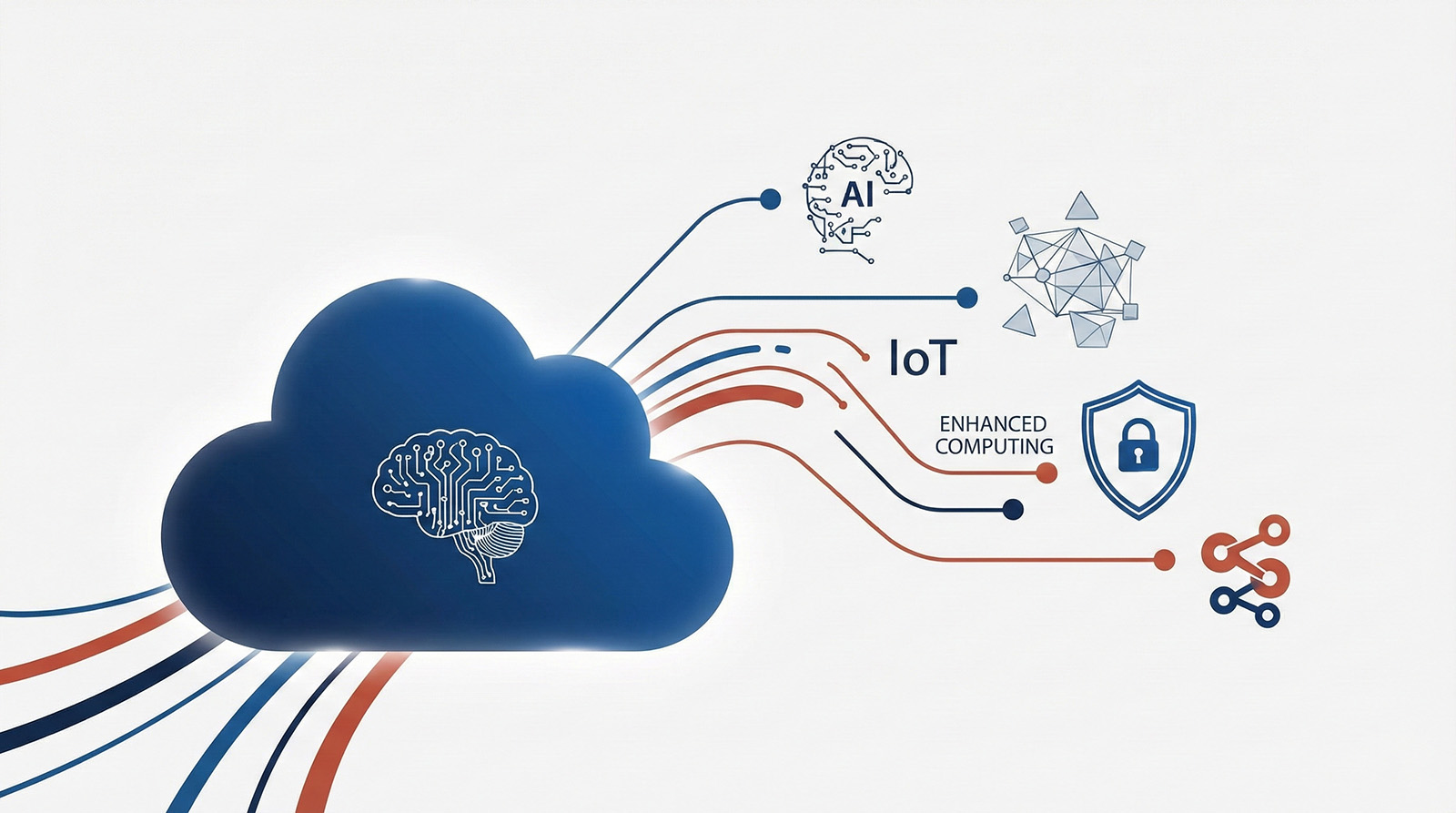
The cloud is evolving into a foundation for AI-driven applications. Organizations can leverage cloud-based AI and machine learning to analyze customer behavior, forecast demand, and automate operational processes. This marks a major step forward for B2B enterprises seeking to strengthen their competitive edge.
Edge Computing for Real-Time Processing
By combining cloud and edge computing, data can be processed near its source, reducing latency and improving system responsiveness. Industries such as smart manufacturing, telemedicine, and logistics will see immediate gains from faster decision-making and enhanced automation.
Green and Sustainable Cloud Infrastructure
Environmental responsibility is influencing cloud providers to adopt renewable energy and optimize power consumption. Businesses that choose “green cloud” partners not only improve sustainability credentials but also meet increasingly strict ESG requirements.
Conclusion
Cloud computing has proven to be a strategic lever for reducing operational costs, enhancing performance, and enabling flexible scaling. From global enterprises to Vietnamese innovators like Ahamove, cloud adoption has opened the door to operational breakthroughs. However, success requires more than technology alone—it demands thoughtful strategy, risk management, and disciplined execution.
Cloud will continue to serve as a foundational infrastructure powering AI, IoT, and emerging technologies, shaping the intelligent and sustainable operations of the future.
At Reputyze Asia, we bring deep expertise in digital marketing and technology solutions (MarTech) to support your cloud and digital transformation journey. Our all-in-one solutions integrate advanced AI, omnichannel media, and end-to-end strategic execution—delivering outcomes that are Integrated, Efficient, Consistent, and cost-optimized. We are committed to blending creativity with technology to help your organization unlock long-term competitive advantage.
Related Journals