
Digital Marketing Strategy: A Comprehensive A-Z Guide for Vietnamese Enterprises
Date: 2025-12-05

In the context of a perpetually shifting digital landscape, building a methodical digital marketing strategy is no longer a choice but a mandatory requirement for business survival and growth. A comprehensive digital marketing plan enables enterprises to reach the right target audience, optimize costs, and create sustainable competitive advantages.
This article provides an in-depth guide, helping you master the core pillars of digital marketing, from foundational elements to breakthrough trends in the near future.
I. What is a Digital Marketing Strategy and Why is it Essential?
A digital marketing strategy is a holistic plan that utilizes digital platforms and tools to reach and interact with target audiences, thereby achieving set business objectives. Unlike a “campaign,” which focuses on short-term goals, a “strategy” is macro-level, encompassing market analysis, customer identification, channel selection, and content optimization to generate sustainable value.
The importance of an effective digital marketing strategy is increasingly affirmed. According to research, 87% of consumers begin their shopping journey with online search activities. Without a clear strategy, businesses will miss the opportunity to reach the vast majority of potential customers in a fiercely competitive landscape. Furthermore, gathering data from digital platforms allows businesses to better understand customer behavior, leading to more accurate business decisions.
II. The Fundamental Pillars of an Effective Digital Marketing Strategy
A complete digital marketing strategy typically combines various channels. Below are the key pillars that every enterprise must master.
This is considered the foundation of every strategy. Current trends show businesses focusing on producing short-form content on platforms like TikTok, Instagram Reels, or YouTube Shorts to capitalize on users’ short attention spans. Studies indicate that short videos have a 50% higher engagement rate than standard posts. Additionally, applying AI to rapidly generate and personalize content helps businesses save time and optimize quality.
2. Search Engine Optimization (SEO & SEM)
SEO strategy is no longer limited to keyword optimization but has expanded to User Experience (UX) optimization on websites16. Meanwhile, SEM (Search Engine Marketing) utilizes paid advertising to deliver rapid results. According to HubSpot, approximately 68% of online experiences start with a search engine. Optimizing keywords and content not only increases traffic but also attracts the right potential audience segments. Recently, Google has also encouraged “AI-friendly” content—content optimized to be compatible with AI tools like Google Bard or ChatGPT.
3. Social Media Marketing & Influencer Marketing
Platforms like LinkedIn and TikTok are becoming focal points. LinkedIn is not just for B2B models but is also ideal for personal branding, while TikTok holds immense appeal for viral campaigns due to its short-video format. Regarding Influencer Marketing, instead of solely partnering with major stars, many brands are shifting to leverage the influence of micro-influencers to create more authentic connections with customers.
4. Paid Advertising
Advertising on Google and Meta (Facebook, Instagram) remains the top choice due to precise targeting capabilities. However, to exploit niche markets, businesses are gradually shifting towards new platforms like Pinterest Ads or Amazon Ads.
5. Email Marketing
This seemingly outdated strategy is witnessing a strong resurgence thanks to data-driven automation26. Businesses use AI to analyze recipient behavior, thereby offering content recommendations at the right time27. Reality shows that emails with personalized subject lines have a 26% higher open rate than generic emails.
III. The 5-Step Process to Build a Professional Digital Marketing Strategy
To achieve an effective strategy, businesses must adhere to a methodical and synchronized process.
Step 1: Market Research and Target Customer Portrait

This is the foundational step. Enterprises must analyze industry trends, competitors, and market demand to identify opportunities. Constructing a detailed customer persona—including demographics, behaviors, interests, and “pain points”—is the key factor in focusing marketing efforts on the right audience. Tools like Google Analytics, customer surveys, or competitor analysis platforms (SEMrush, Ahrefs) are highly useful in this phase.
Step 2: Selection of Appropriate Channels and Tools

Not every digital marketing channel is suitable for every business34. Enterprises must select channels based on objectives and customer audiences. For instance, B2B enterprises may prioritize LinkedIn and content marketing, while B2C enterprises are often more effective with Instagram, TikTok, and influencer marketing36.
Step 3: Building Content and Personalized Messages
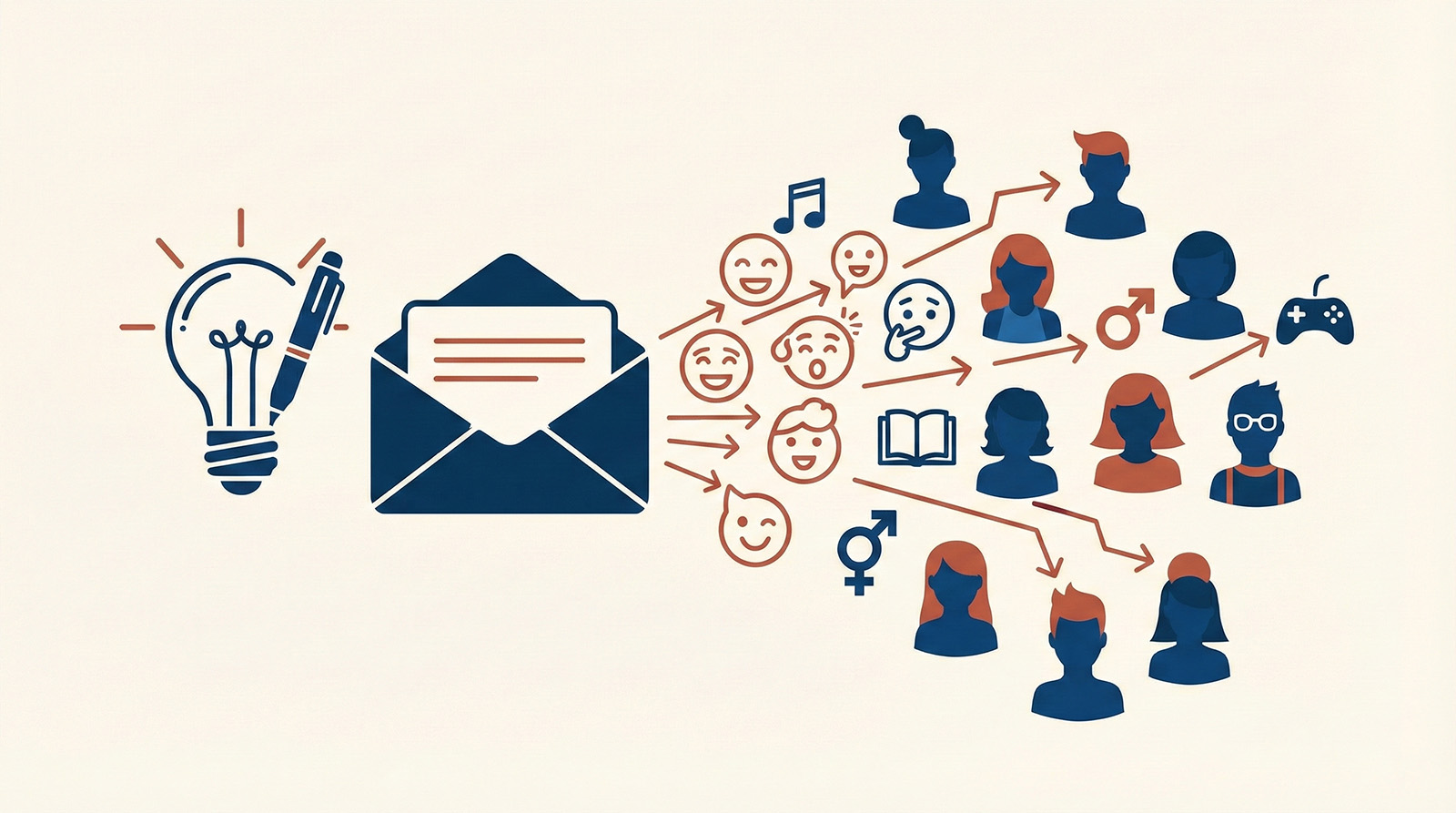
Marketing messages need to be clear, consistent, and solve customer problems. Personalized content is becoming a trend that cannot be ignored. According to research, 80% of consumers tend to buy from brands that provide personalized experiences. Content strategy requires diverse formats such as in-depth blog posts, short videos, podcasts, or webinars to reach customers across multiple platforms.
Step 4: Budget Planning
Budgets need to be allocated flexibly based on business goals and channel efficiency. Small businesses should start with a modest budget, focusing on low-cost but high-efficiency channels like SEO and content marketing, then gradually expand as resources allow.
Step 5: Measurement, Optimization, and Risk Management

Measuring effectiveness is the key factor determining success. Businesses need to track critical KPIs such as Conversion Rate, Customer Acquisition Cost (CAC), Customer Lifetime Value (CLV), and ROI. Collected data helps businesses continuously optimize their strategy. In parallel, preparing contingency plans for risk scenarios like media crises or algorithm changes is also crucial.
IV. Lessons from Successful Digital Marketing Case Studies
Learning from successful campaigns is the best way to draw practical experience.
1. Case Study: Vinamilk and the Power of Personalization
Vinamilk’s 2022 rebranding campaign aimed to rejuvenate the brand and reach Gen Z. A special highlight was the launch of a website allowing users to create personal logos in Vinamilk’s new style. This feature quickly went viral on social media, generating thousands of shared images in just a few days. This is a prime example showing that applying personalization creates a strong emotional connection with customers, turning them into part of the brand story.
2. Case Study: HubSpot and Long-Term Content Marketing
HubSpot built a digital marketing empire through an excellent content marketing strategy. They provide free, valuable content on sales and marketing in various formats like blogs, ebooks, and webinars. As a result, HubSpot attracts over 10 million monthly visits, with 75% of new customers coming from content marketing. The critical lesson from HubSpot is the long-term value of high-quality content. Investing in content creates sustainable digital assets, continuing to bring in potential customers for years without additional traditional advertising costs.
V. Prominent Trends Shaping Digital Marketing Strategy 2025-2026
To maintain a competitive edge, businesses must grasp prominent trends.
1. AI and Automation
AI will continue to be a vital tool, helping businesses optimize strategies from data analysis to experience personalization58. According to Gartner, by 2026, over 70% of companies will apply AI to their marketing campaigns, turning AI into a long-term competitive “weapon”.
2. The Rise of Personalization
Personalized content will not stop at adding customer names to emails but will include messages, products, and experiences designed specifically for each individual. Research by Epsilon shows that 80% of consumers tend to purchase from brands offering personalized experiences.
3. Omni-channel Experience and Social Commerce
Omni-channel strategies will synchronize user experiences across various channels, ensuring consistency and smoothness. Simultaneously, platforms like TikTok Shop or Instagram Shopping are turning the shopping journey into a seamless experience, driving the robust growth of social commerce.
4. Short Video Content and Zero-party Data
With the growth of TikTok, Instagram Reels, and YouTube Shorts, short videos will continue to dominate, especially with Gen Z and Millennials. Furthermore, with Google eliminating third-party cookies, zero-party data—data proactively shared by users—will become incredibly important. Businesses need to build transparent data collection strategies, creating value in exchange for customer trust.
Conclusion
In the digital era, building an appropriate digital marketing strategy is the deciding factor for business success. To optimize revenue and build sustainable connections with customers, you not only need to master platforms and trends but also require strategic vision and the ability to measure effectiveness continuously.
To truly stand out in a competitive market, sometimes you need support from those with combat experience.
Reputyze Asia, with a combination of Technology and Creativity, is always ready to listen and provide digital marketing solutions tailored to your business model70. We not only help you understand trends but also partner with you to realize an effective strategy.
Related Journals