
Influencer Management: A Comprehensive Strategy From Partner Selection to ROI Optimization
Date: 2024-04-25

While influencer collaboration is a core strategy in the evolving digital marketing landscape, merely signing a contract is just the beginning. Achieving long-term success and meaningful ROI requires brands to implement a structured, professional influencer management process that goes beyond campaign execution. This article presents a holistic framework for managing influencers effectively: from identifying the right partners and navigating emerging challenges to maximizing your return on investment.
I. What Is Influencer Management?
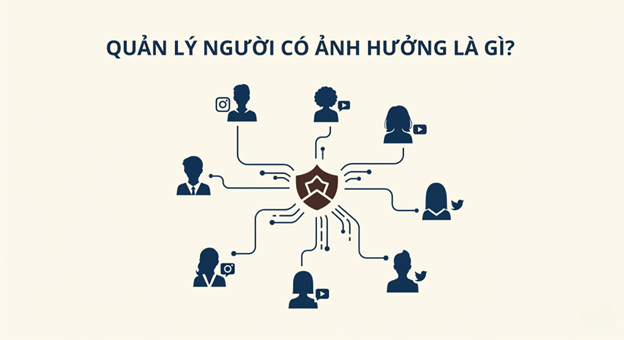
Influencer management is a comprehensive process that involves identifying, evaluating, and collaborating with individuals who have the power to influence your target audience. Its core objective is to work closely with these creators to produce compelling campaigns that capture attention, generate meaningful engagement, and expand the brand’s reach.
Beyond execution, influencer management also encompasses monitoring campaign performance, optimizing return on investment (ROI), and nurturing long-term relationships with the right creators to support future collaborations.
II. The Benefits of Strategic Influencer Partnerships
A well-crafted influencer partnership can unlock significant advantages for a brand. Below are some of the most notable benefits, explained in a flowing, narrative style:
Expanding brand visibility:
By partnering with creators who possess loyal followers and strong engagement, brands can rapidly reach a wider pool of potential customers, thereby boosting brand awareness across digital platforms.
Strengthening credibility through the right fit:
Consumers increasingly trust recommendations from familiar creators they follow regularly. For example, influencer Kyshawn Lane (@weeklyhomecheck), known for his home-care expertise, has helped products like Lysol gain greater credibility thanks to his authority and authentic connection with his audience.
Driving organic community engagement:
When executed well, creator-led content tends to feel personal, approachable, and relatable. This naturally encourages comments, shares, discussions, and other forms of interaction that deepen audience connection with the brand.
Influencing purchasing behaviour:
Messages delivered through a trusted, personalized channel create stronger persuasion. Viewers are more likely to trust the recommendation and convert, resulting in improved sales and higher conversion rates.
Consistent access to trend-driven content ideas:
Influencers often possess a sharp intuition for emerging trends and audience preferences. Their creative perspective helps brands generate content that is relevant, fresh, and more likely to achieve virality.
III. How to Identify the Right Influencer for Your Brand
Finding the right influencer can be challenging, given the overwhelming number of options across platforms and budget levels. The following approaches help streamline the selection process while ensuring strategic alignment:
Define campaign goals and target audience:
Understanding your brand and your desired audience is the first step. This foundation allows you to evaluate potential partners based on their content style, engagement metrics, and follower demographics.
Leverage specialized management tools:
Platforms such as Sprout Influencer Marketing (formerly Tagger), Heepsy, and Pitchbox offer extensive databases and advanced filtering options. These tools help you identify creators who meet specific criteria—industry, audience profile, engagement rates, location, and more.
Search through relevant keywords and hashtags:
You can also discover local influencers by searching terms like “[city/region] + [industry/niche] influencer” on Google. On social platforms, exploring hashtags related to your product or service can reveal creators who already speak to your target community.
IV. Building Long-Term, Sustainable Relationships with Influencers

Long-term collaboration with influencers delivers far greater value than a single campaign. A sustained partnership allows influencers to develop a deeper understanding of your brand, enabling them to produce content that feels more authentic, resonant, and effective.
Key factors: According to an influencer marketing report, the most important elements creators consider when evaluating a brand partnership include shared values, transparent budgeting, and alignment with their audience.
Fair and timely compensation: To maintain a strong relationship, ensure that influencers are paid fairly and on schedule.
Early involvement: Whenever possible, invite influencers to participate in the creative ideation process — or even in product/service development. This not only helps them feel valued but also ensures the content they create is aligned with the needs and expectations of their audience.
Case study: Clothing brand Smash + Tess collaborated with influencer Alicia Mccarvell (@aliciamccarvell) to launch a collection. In her promotional post, Alicia shared behind-the-scenes moments and expressed gratitude to the brand for being “willing to listen, learn, adapt, and create with me.” Her involvement throughout the process made the partnership feel honest, authentic, and genuinely meaningful to her audience.
V. Common Challenges in Influencer Management and How to Navigate Them
Influencer management requires constant coordination and communication. Below are frequent challenges brands encounter and effective ways to address them:
Misalignment with the campaign brief:
If influencers misunderstand or overlook important details in the brief, the resulting content may not meet brand expectations.
Solution: Provide a clear, comprehensive brief and host regular check-in meetings to answer questions and ensure alignment.
Timeline issues during the campaign:
Poor timing of content releases can significantly reduce campaign impact.
Solution: Establish clear deadlines and use scheduling tools to keep the workflow organized.
Inconsistent content quality:
Low-quality content may result from unclear expectations or limited resources.
Solution: Request drafts before publication and offer constructive feedback to help influencers refine their work.
High reach but low engagement:
This often occurs with macro or mega influencers whose audience size may be broad but less engaged.
Solution: Prioritize creators whose audience demographics closely match your target market and who demonstrate high engagement rates.
Incomplete post-campaign reporting:
Lacking detailed reports prevents brands from learning and optimizing future campaigns.
Solution: Define key performance indicators (KPIs) at the start and ensure creators provide comprehensive analytics afterward.
Brand safety risks:
A single misstep from an influencer can damage brand reputation.
Solution: Implement a rigorous vetting and monitoring process, and develop a crisis management plan to respond swiftly if issues arise.
VI. The Importance of Influencer Campaign Management Tools
Using dedicated management tools is one of the most effective ways to run influencer campaigns efficiently. These platforms streamline and organize every stage of the workflow — from discovery to execution to reporting. They assist with influencer identification, contract and communication management, and performance tracking.
Centralizing these tasks into a single system saves time, reduces operational stress, and ensures campaigns run smoothly. Several industry-leading tools include:
Sprout Influencer Marketing:
A full-suite campaign management platform featuring customizable landing pages for influencer recruitment, competitor analysis, and advanced reporting templates.
Heepsy:
A data-rich platform offering detailed insights into engagement rates, audience demographics, and growth trends to support informed influencer selection.
Pitchbox:
Ideal for outreach workflows, providing customizable email templates and performance dashboards to streamline communications and track campaign progress.
Conclusion
Collaborating with influencers is a powerful strategy for strengthening brand presence and building trust with your audience. Yet true success doesn’t come from quick, transactional partnerships — it comes from a professional, thoughtful management process focused on long-term relationships, transparency, and shared value.
By applying the strategies outlined above, brands can foster meaningful connections that transform influencers into genuine advocates.
Managing multiple stakeholders, processes, and touchpoints can be complex. If you’re seeking a reliable partner to help streamline and elevate your influencer management strategy, we’re here to support you. Reputyze Asia combines technical expertise with creative insight to deliver effective, high-impact solutions tailored to your brand.
Related Journals